Can the Goddesses Be Saved?
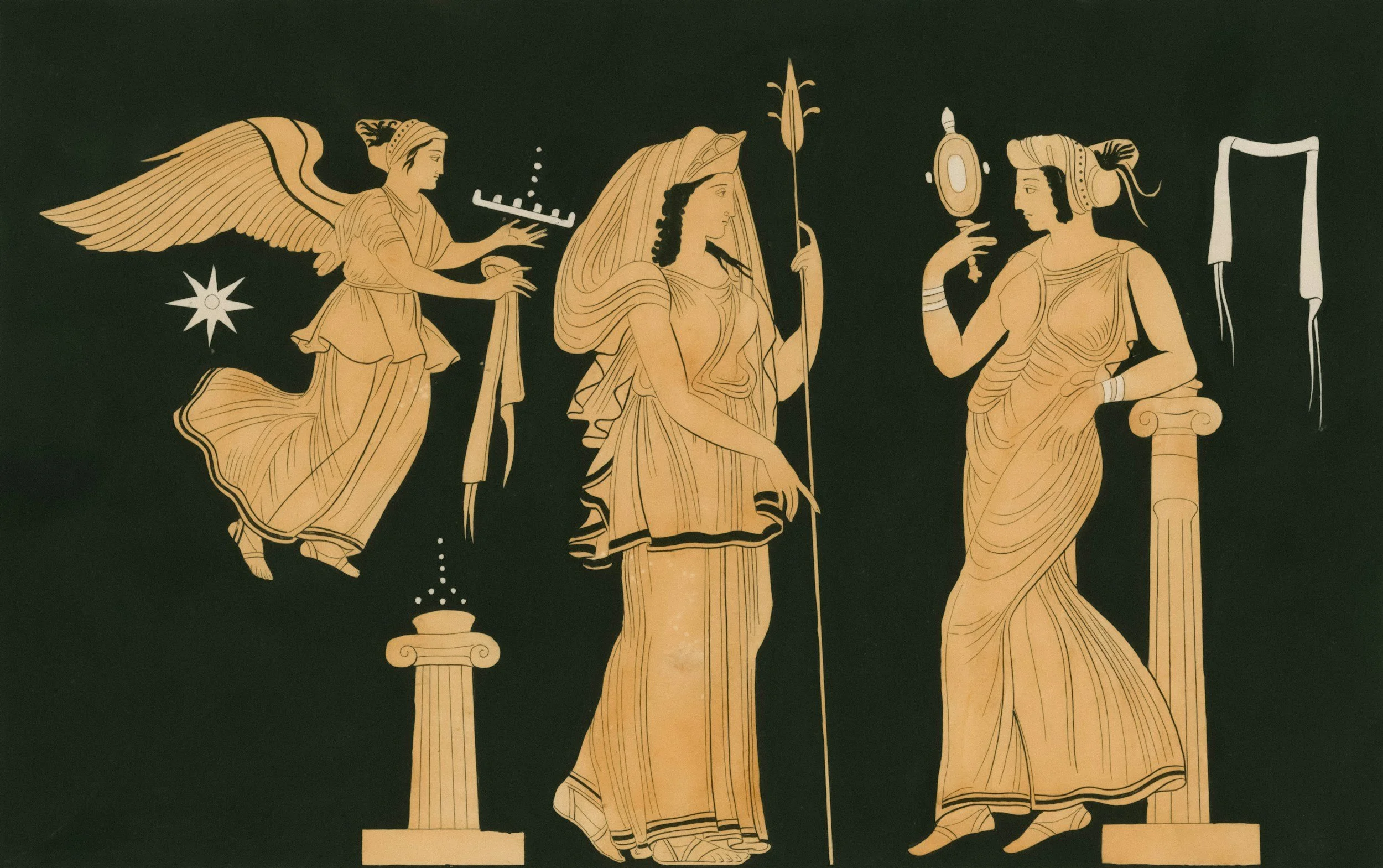
The Greek pantheon and its stories have embedded themselves within our modern Western psyches. Escape from this empire’s influence in modern cosmology is impossible — even if you don’t actively know much about these stories.
In the decades since Jung began to popularize the idea of archetypes — and with that the idea that there is some universal essence to these deities — it has inevitably become fashionable to criticize them.
Where do you fall on the scales of this critique? Do you, like famed Jungian scholar Marion Woodman, see the Greek Goddesses (and their Roman counterparts) as archetypal facets of the feminine psyche? Or do you, like some recent feminists, see them as warped expressions of a patriarchal culture?
I think the critiques are fair. Greek society was not only incredibly patriarchal — it was astonishingly misogynistic. It was not easy to be a woman in ancient Greece, and we see this throughout their mythology: women are constantly raped, kidnapped, jealous, vengeful, and overly pure.
As Woodman points out, only Aphrodite is a truly empowered feminine archetype — both sensual and free from marriage. Yet modern feminists might also point out that she is also super sexy, a facet that can be seen as trapping women in another oppressive narrative.
Despite this, I have received so much value from my relationships with these goddesses — a few of the gods (here’s looking at you Dionysus). They inspired my original magical, natural perfume line. They appear in my journeys and have places on my altars.
This begs the question: Are these goddesses — with all their patriarchal overlays — redeemable within a modern feminist consciousness? Do they have a place in our current era psyches and spiritual practices?
How you answer these questions will depend on how you view these deities:
Option 1: They are simple mythological figures, reflective of the times their stories emerged from. From this view, perhaps their value lies in teaching us how women survived in a society that actively disparaged them.
Option 2: They are archetypes. Living, shared energies within our collective unconscious. If this is the case, we must ask: Are the goddess archetypes terminally tainted by the patriarchal culture that created them? Or is there deeper wisdom we can access underneath the narratives we’ve inherited?
Option 3: They are goddesses. Like totally real spiritual beings that exist beyond our limited human understanding. In this case, it becomes our divine assignment to reclaim their stories from the oppressive cultures that have twisted them. It is up to us to deeply listen for the wise and powerful feminine truths they wish to share.
What do you think? Who are the goddesses to you, and how does this impact your relationship with them?
A Note on the Goddesses
Many of my natural, botanical, and totally magical perfumes are devoted to the goddesses. I try to share a ritual with each perfume listing. Explore the scents and rituals here.
On that note: If any are out of stock and you want me to prioritize remaking them, let me know in the comments! Or if any of your favorite deities are missing, tell me and I’ll add them to my making list :)

Juniper Stokes is a botanical perfumer, soul alchemist, intuitive astrologer, and rewilding guide through mythic landscapes of the nature, spirit, and the cosmos. For over 25 years, she has been guiding soulful humans back to the heart of who they are and why they’re here.
🌿 Explore workshops & trainings.
💠 Find alchemical aromatics in The Botanica.
Enjoyed this article? The absolute most wonderful way to say thank you is by sharing it!
ASTROLOGY | RECIPES | REWILDING | SACRED AROMATICS | SHAMANISM | SPIRITUALITY | WELLNESS

A FREE 45-page guide to awaken your inner magic!

Juniper Stokes is a certified depth coach, mythoanimist guide, alchemist, astrologer, and artist.