Anointing, Ritual, and Healing: Three Functions of Sacred Aromatics
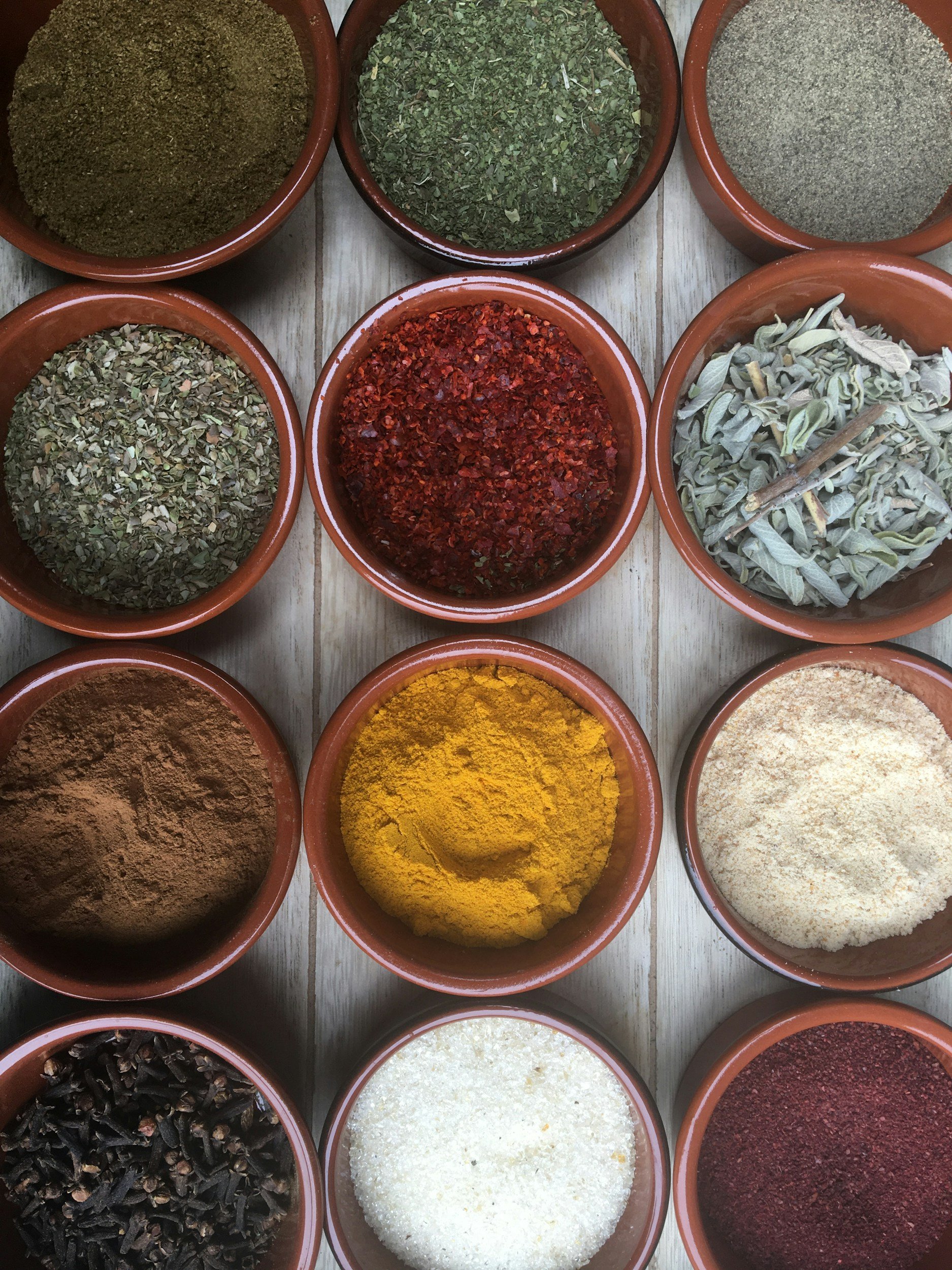
When I look across the full sweep of aromatic traditions — from Sumerian cuneiform to Egyptian temple inscriptions to Taoist medical texts to the Western magical lineages — I keep seeing the same three things.
Healing. Ritual. Anointing.
They appear separately and together. They overlap and nest inside each other. In many traditions they are, at root, the same act approached from different angles.
I want to spend some time with each one — not because they're cleanly separate, but because understanding each of them deepens your understanding of all three.
Healing
The clinical aromatherapy world has done something valuable and something limiting, simultaneously.
Valuable: it has produced rigorous research on how aromatic compounds affect the body. Lavender's documented effects on the nervous system. Frankincense's anti-inflammatory properties. Tea tree's antimicrobial action. This evidence base matters. It provides a language that speaks to contemporary medicine and makes aromatics accessible to people who would otherwise dismiss them.
Limiting: it has created the impression that this is what aromatic healing is. Plant as delivery mechanism for biochemical intervention. Outcome-focused. Condition-matched.
In virtually every traditional system of healing I have studied, this is not the whole picture — and in many, it's not even the primary one.
Peter Holmes, whose energetic approach to essential oils has been a significant influence on my practice, works with aromatics through the lens of Chinese medicine and the energetics of the vital force. In his framework, an oil is not primarily a delivery system for linalool. It is a complex aromatic intelligence that acts on the field — on qi — and on the physical body as an expression of that field.
This shifts everything.
It means you're not treating a symptom. You're working with a pattern. And the aromatic's value lies not in its chemistry alone but in its nature — the whole plant intelligence, including but not reducible to its molecules.
In Taoist healing traditions, the body is understood as a landscape. Mountains and rivers. Areas of flow and stagnation. The healer works to restore movement — to clear what is blocked, support what is depleted, calm what is agitated. Aromatics enter this work as allies with specific elemental affinities and specific gifts.
In Ayurveda, the practitioner asks not "what condition does this oil treat?" but "what does this person need, constitutionally, seasonally, at this particular moment in their life?" The answer changes. The aromatic changes with it.
The deepest forms of aromatic healing share a premise: the plant has intelligence, the body has intelligence, and the healing happens in the conversation between them.
This is why relationship matters. This is why a practitioner trained in genuine aromatic healing will always — always — be more effective than a diffuser running on a protocol.
Ritual
Let's be precise about what ritual is, because the word has gotten slippery.
Ritual is not a routine. A morning coffee is a routine. It is not, for most people, a ritual.
Ritual is a framed action — an act deliberately set apart from ordinary time and space, given a specific intention, and performed in a way that creates a threshold between the mundane and the sacred.
>>>Here’s a FREE Ritual Guide for you ;)
You can burn frankincense in your living room while watching television, and it will have certain physiological effects on your nervous system.
You can also burn frankincense in a deliberately prepared space, after a moment of stillness, with a specific intention and attention, and it will do something categorically different.
Same plant. Same compounds. Different experience — because the frame changes how you receive it, and arguably changes how it acts.
This is why every major aromatic tradition involves some form of ritual protocol. Not superstition. Not empty ceremony. The protocol is the technology. It creates the conditions under which the aromatic can do its deepest work.
This shows up differently across traditions. The Japanese kōdō ceremony is almost entirely ritualized attention — the carefully heated incense, the silence, the practice of listening rather than smelling. Egyptian temple rites included specific times, specific prayers, specific postures for specific incense offerings. Western magical traditions give detailed instructions for planetary incenses to be made and burned at astrologically appropriate hours.
All of these protocols share the same underlying logic: how you work with the aromatic determines what it can do.
For contemporary practitioners, this means developing your own ritual literacy. Learning how to create a frame. How to hold intention without forcing. How to be present enough that the aromatic can actually meet you.
This is a learnable skill. It is not mystical or inaccessible. It is, in fact, one of the most practical things I know how to teach.
Anointing
Of the three, anointing is the one that most often surprises people with its depth.
We encounter the word primarily in religious contexts — the anointing of kings, the anointed one, last rites. It sounds ancient and distant and maybe not particularly relevant.
But touch a drop of sacred oil to a pulse point with genuine intention, and you will immediately understand why this practice has persisted for thousands of years.
Anointing is intimate. It is physical. It marks the body.
In every tradition where it appears, anointing is an act of consecration — setting something apart, marking it as sacred, acknowledging its significance. You anoint at thresholds: birth, death, coronation, healing crisis, initiation, marriage, transition. You anoint to protect, to bless, to mark a new chapter.
The Taoist anointing traditions I've studied work with the body's energetic landscape — specific points, specific oils, specific intentions for specific purposes. It is a precise and sophisticated practice that takes time to learn, but rests on a foundation of relational attunement.
The Myrraphore tradition — the lineage of those who carry myrrh, who anoint the living and the dead — has its roots in the ancient Near East and flows through the early Christian world in ways that are still being recovered and understood. This is a lineage I find extraordinarily moving. The courage and devotion it takes to anoint the dying. To anoint the dead. To offer your hands and your oil and your presence to someone standing at the ultimate threshold.
In my own practice, anointing has become one of the most powerful tools I work with. Not complicated. Not requiring elaborate equipment. Just: the right oil, the right intention, the right presence, and the act of touching that oil to a body with care.
It changes things. It marks things. It offers something that words and intention alone cannot.
How They Work Together
In practice, these three functions rarely operate in isolation.
A healing session might include ritual preparation, aromatic application to specific points, and the anointing of the person as an act of closing and consecration. A ritual might incorporate an aromatic that has specific healing properties relevant to the moment. An anointing might open a healing process that unfolds over weeks.
This is what I mean when I say that sacred aromatics are not a supplement to spiritual and healing practice.
They are a comprehensive practice unto themselves.
The historical traditions understood this. The people who designed kyphi, who inscribed temple rites, who carried the myrrh — they were working with something complex and powerful enough to structure entire cosmologies around.
We can learn from that. We don't have to replicate it wholesale. But we can recover some of the depth that got flattened in the journey from incense road to essential oil aisle.
That recovery is what this work is about.
Foundations of Sacred Aromatics opens soon.
If you are a practicing healer, a ritually-minded person, or someone who has sensed there is more to this than what you've been taught — this course is for you.
And if you want to experience anointing before the course — I make a small selection of sacred aromatic blends in The Botanica, each designed for a specific kind of threshold work. They're a good place to start.
Join the Waitlist Here:
And if you want to begin the relationship right now — the Botanica has aromatic perfumes and botanical preparations I've made with exactly this kind of care and attention. Each one is a doorway.
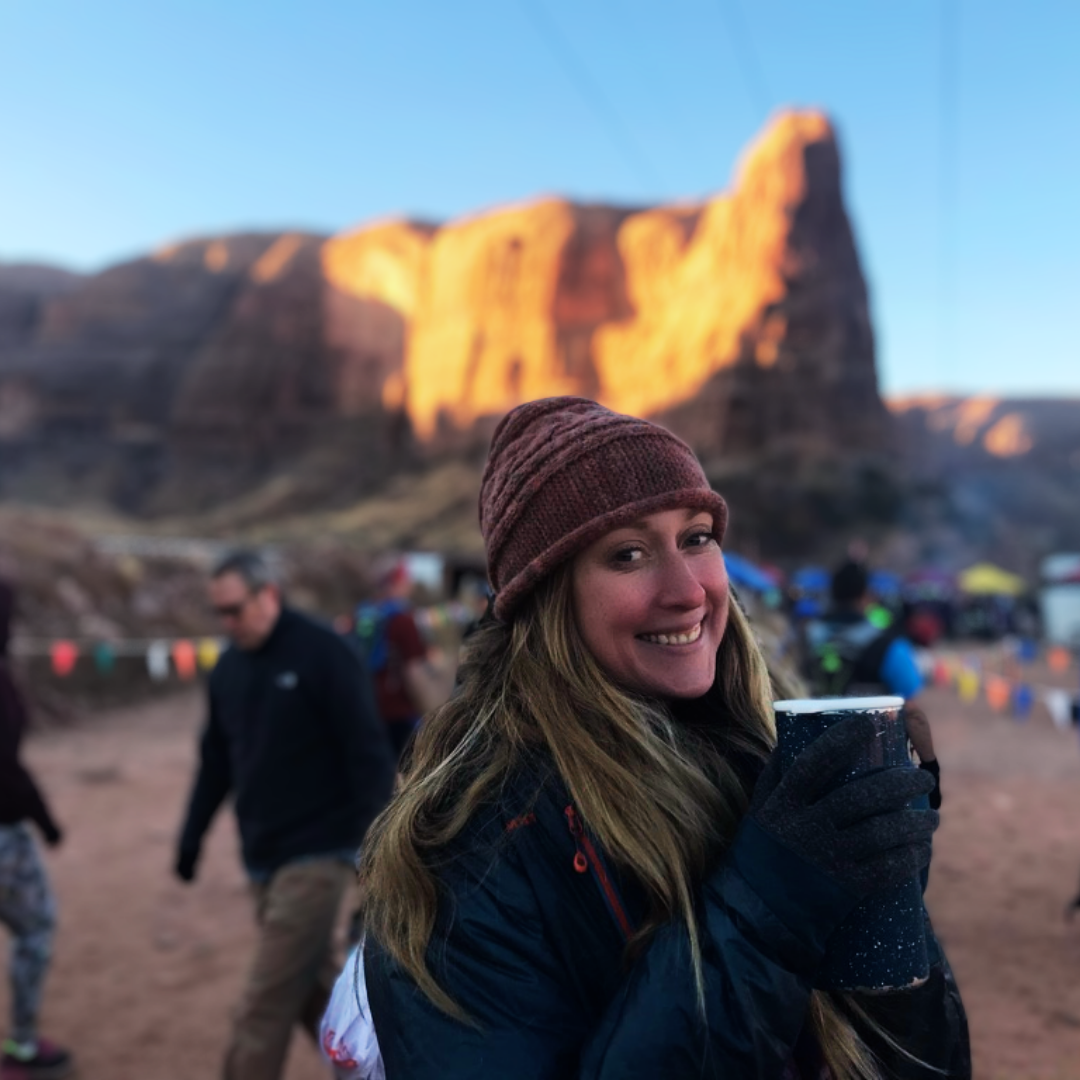
Juniper Stokes is a botanical perfumer, soul alchemist, intuitive astrologer, and rewilding guide through mythic landscapes of nature, spirit, and the cosmos. For over 25 years, she has been guiding soulful humans back to the heart of who they are and why they're here.

Enjoyed this article? The absolute most wonderful way to say thank you is by sharing it!
ASTROLOGY | RECIPES | REWILDING | SACRED AROMATICS | SHAMANISM | SPIRITUALITY | WELLNESS

A FREE 45-page guide to awaken your inner magic!
Juniper Stokes is a certified depth coach, mythoanimist guide, alchemist, astrologer, and artist.